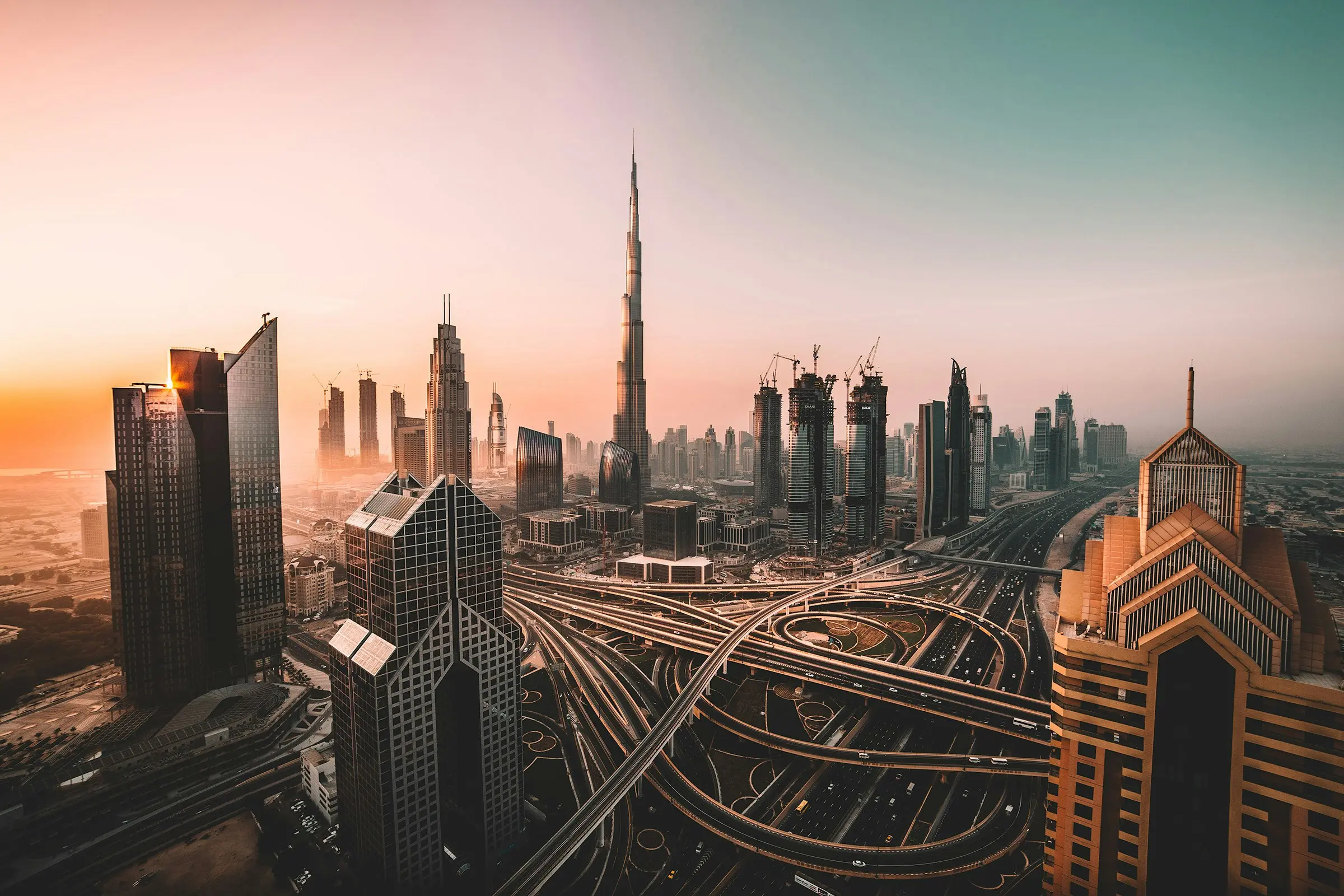
Dubai International Academic City
Verified Partner
RERA Licensed
## Dubai International Academic City — The Knowledge Campus Driving Residential Investment | Attribute | Detail | |---|---| | Organisation | Dubai International Academic City (DIAC) | | Operator | TECOM Group / Dubai Holding | | Established | 2007 | | Headquarters | Dubai, UAE | | Nature | Free zone purpose-built for higher education institutions | | Location | Dubailand, Al Ruwayyah, Dubai | | Number of Universities | 25+ international university campuses | | Student Population | 25,000+ students across 26,000+ visa holders | | Investment Relevance | Knowledge-district anchor creating structural residential demand | --- ### TL;DR Snapshot | Question | Answer | |---|---| | Who is DIAC? | Dubai's purpose-built free zone for international university campuses | | Universities present | Heriot-Watt, Manipal, University of Birmingham, BITS Pilani, and 20+ more | | Why it matters for property | DIAC drives demand for residential property in Dubai's education corridor | | Investment case | Education-district residential = stable, necessity-driven demand from students and academic staff | | Yield profile | 7.0%–9.5% gross yield — student accommodation and academic staff housing in demand | --- ### Dubai International Academic City — The UAE's Global University Hub When the UAE government designated higher education as a strategic pillar of the nation's economic diversification plan, it did what the UAE does best: it built the physical infrastructure first. **Dubai International Academic City** (DIAC) was established in 2007 as a purpose-built free zone specifically designed to attract international university campuses — providing the regulatory framework, physical infrastructure, and operational support that global universities need to establish UAE branches. Seventeen years later, DIAC has fulfilled this ambition beyond early projections. With **25+ international university campuses** operating on the purpose-built knowledge park, DIAC has positioned Dubai as the world's most concentrated hub for international higher education — attracting institutions from the UK (Heriot-Watt University, University of Birmingham), India (Manipal University, BITS Pilani), Canada (University of Wollongong), Australia, Russia, and across the MENA region. The economic and property-market significance of this campus concentration is substantial and structural — creating the kind of necessity-driven residential demand that sustains occupancy through market cycles that purely aspirational demand cannot. --- ### The Academic City Investment Thesis — Knowledge Creates Housing Demand **Student Accommodation Demand** Dubai International Academic City's 25,000+ enrolled students represent a captive residential demand pool that is: - **Necessity-driven**: Students must live near campus — they cannot choose to live in London instead - **Growing annually**: DIAC's student intake grows as UAE education demand expands - **International**: Many students are international, seeking accommodation from afar — willing to accept standard specifications if location is right Student accommodation near DIAC faces a structural supply deficit — there is insufficient purpose-built student housing to serve 25,000+ students, creating robust demand for standard residential units within commuting distance. **Academic Staff Housing** The 25+ universities employ thousands of academic and administrative staff — predominantly international professionals who need quality residential accommodation near campus. This staff demographic: - Commands higher incomes than students and demands higher specification - Typically signs longer leases (academic year minimum, often 1–2 year contracts) - Stabilises occupancy through the academic calendar cycle **Related Service Sector** The critical mass of students and staff creates demand for the service sector that supports them — cafés, restaurants, tutoring services, printing, banking, healthcare, fitness — all employing people who also need nearby accommodation. --- ### DIAC's Universities — The Tenant Demand Generator | Institution | Country of Origin | Study Field | |---|---|---| | Heriot-Watt University | UK | Business, Engineering, IT | | University of Birmingham | UK | Multiple disciplines | | Manipal University | India | Medicine, Engineering, Management | | BITS Pilani | India | Engineering, Sciences | | University of Wollongong | Australia | Business, IT, Engineering | | Canadian University Dubai | Canada | Architecture, Business | | Amity University | India | Law, Business, Engineering | | Amrita University | India | Dentistry, Medicine | | Multiple others | Various | Business, Arts, Sciences | --- ### Residential Demand Around DIAC — Location Analysis DIAC is located in the **Dubailand / Academic City** corridor — an area that has developed significantly since 2007 and that continues to benefit from the university hub's growth. Key residential demand drivers in the Academic City corridor: **Direct Campus Workers** Academic and administrative staff who want to walk or cycle to campus rather than commute 30 minutes across Dubai. **Student Communities** Students who prefer off-campus accommodation with shared apartments — particularly graduate students and those with accommodation budgets above the campus residence standard. **Healthcare Sector** The concentration of medical universities in DIAC (Manipal's medical college, Amrita's dentistry) attracts healthcare professionals and students who need local accommodation. **Sports and Recreation** DIAC's proximity to Dubai Sports City creates a dual demand from sports sector workers and athletes who appreciate the combination of academic and sporting infrastructure. --- ### Property Investment Near DIAC — What the Numbers Say **Gross Yield Performance in the Academic City Corridor** | Property Type | Distance from DIAC | Estimated Gross Yield | |---|---|---| | Studio (400–500 sq ft) | 0–2 km | 8.5%–10.5% | | 1 Bedroom (650–850 sq ft) | 0–2 km | 7.5%–9.5% | | 2 Bedroom (1,000–1,300 sq ft) | 0–2 km | 6.5%–8.0% | | 3 Bedroom (family) | 2–5 km | 5.5%–7.0% | | Studio (400–500 sq ft) | 2–5 km | 7.5%–9.0% | | 1 Bedroom | 2–5 km | 6.5%–8.0% | The yield premium in the DIAC catchment area reflects the structural necessity-driven demand created by the campus population — yields that are consistently above the Dubai mid-market average. **Occupancy Characteristics** | Season | Occupancy Dynamic | |---|---| | Academic Year (Sept–May) | Near-full occupancy — high demand from students and staff | | Summer Semester | Continued occupancy from staff, year-round students | | Summer (July–Aug) | Some seasonal reduction from departing students — partially offset by new intake arrivals | The academic calendar creates a more stable occupancy profile than purely transient markets — core demand from annual-contract staff provides a minimum occupancy floor. --- ### Drive-Time Connectivity from DIAC | Destination | Drive Time | |---|---| | Downtown Dubai / Burj Khalifa | 22–30 min | | Business Bay / DIFC | 22–30 min | | Dubai International Airport | 25–35 min | | Dubai Sports City | 5–10 min | | Global Village (seasonal) | 8–12 min | | Mall of the Emirates | 25–32 min | | Dubai Hills Mall | 20–28 min | | Al Maktoum Airport (DWC) | 30–40 min | The DIAC corridor is best served by car — significant road network improvements have been made in recent years, and further upgrades are confirmed in the Dubailand development programme. --- ### DIAC's Free Zone Benefits — Academic Institution Perspective For context on DIAC's continued attractiveness to universities: | Benefit | Detail | |---|---| | 100% Foreign Ownership | Universities retain full ownership without UAE sponsor requirement | | Tax-Free Operations | No corporate tax on educational profits | | Academic Visa Processing | Streamlined student and academic staff visa issuance | | Physical Infrastructure | Turnkey campus facilities available — reducing setup investment | | Regulatory Framework | TECOM-administered framework tailored to educational operations | | Shared Services | Administration, IT, and facilities management shared services available | --- ### Sustainability — DIAC's Environmental Commitments DIAC operates under TECOM Group's sustainability framework: | Initiative | DIAC Implementation | |---|---| | Green Campus Design | LEED-compliant campus buildings across new developments | | Cycling Infrastructure | Cycling network within the academic city | | Solar Energy | Solar installations across campus buildings | | Water Conservation | District water management and efficiency programmes | | Biodiversity | Landscaping plans integrating native species and green corridors | | Community Engagement | Student sustainability programmes and research initiatives | --- ### Frequently Asked Questions **Q: Can individual investors buy property in DIAC?** A: DIAC is a free zone primarily hosting educational institutions. Individual residential property purchases are in the surrounding Dubailand and Academic City corridor — the areas that benefit from DIAC's academic population demand. **Q: Is the DIAC area well-served by public transport?** A: The Dubai Metro does not currently serve DIAC directly — the nearest metro stations are in the Silicon Oasis corridor. Bus services and taxi/ride-hail are the primary public transport options. Dubai's public transport investment plans include future connectivity improvements to the Dubailand corridor. **Q: What types of residential units perform best in the DIAC catchment?** A: Studios and 1BR units targeting student budgets (AED 30,000–50,000 per annum) achieve the highest gross yields. 2BR and 3BR units targeting academic staff families (AED 80,000–150,000 per annum) provide lower yield but higher absolute income and better tenant quality. **Q: How does the academic calendar affect rental income?** A: Academic staff typically sign annual contracts, providing year-round income. Student tenants may leave in summer, creating a June–August void risk. Investors can mitigate this through academic staff targeting, summer sublet arrangements, or student accommodation structures with academic-year guarantees. **Q: What is the future growth trajectory for DIAC?** A: DIAC continues to attract new university partnerships and expand its student intake. Dubai's goal to become a top-10 knowledge economy destination supports continued DIAC expansion, sustaining and growing the residential demand pool. --- ### Conclusion — Knowledge Is the Most Stable Demand Driver In Dubai's property market, few demand drivers are as stable and structurally rooted as education. Students must learn; academic staff must teach; both need somewhere to live near the institutions where they work. Dubai International Academic City — with its 25+ international university campuses and 25,000+ students — creates precisely this stable, necessity-driven residential demand in the Dubailand corridor. For investors seeking yield performance supported by structural necessity rather than speculative aspiration, the DIAC catchment area offers some of Dubai's most consistently rewarding residential investment opportunities. Knowledge drives demand. Demand drives yield. DIAC drives both.
Everything you need to know about investing with Dubai International Academic City.
Let our Sophia AI analyze Dubai International Academic City's portfolio and recommend the perfect project based on your investment goals and preferences.
